The infrastructure corridor connecting Vadapalani and Poonamallee has emerged as one of the most significant urban mobility upgrades in western Chennai. Over the past few years, the corridor has witnessed major development through metro rail expansion under Chennai Metro Phase 2, along with road upgrades and elevated infrastructure projects aimed at reducing congestion and improving connectivity. By 2026, several milestones have been achieved or are nearing completion, transforming how commuters travel between residential suburbs and central business areas. These improvements are expected to ease daily traffic pressure and strengthen Chennai’s long-term urban mobility.
Metro Phase-2 Corridor Moving Toward Operations
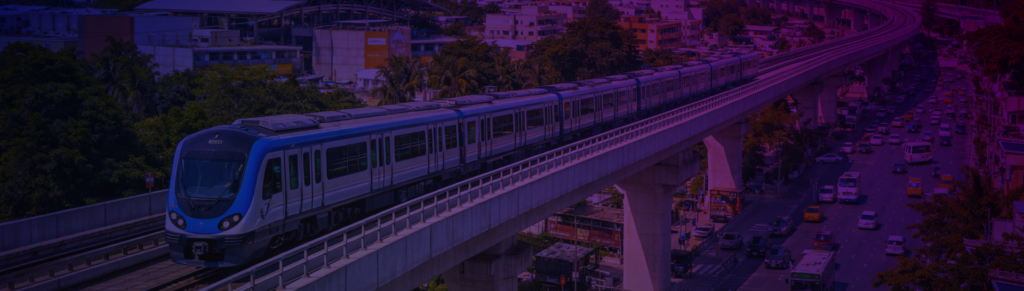
One of the biggest highlights of the Vadapalani–Poonamallee corridor is the new metro rail expansion under Phase-2. The first operational segment between Poonamallee Bypass and Vadapalani covers about 14.6 km, forming a key section of the broader Lighthouse–Poonamallee line, with improved commuter access through planned skywalk connections at select stations.
This stretch is designed to provide faster transit across western Chennai. Once fully operational, the metro is expected to significantly reduce travel time for commuters who currently rely on congested road networks.
Initial Operations with Limited Stations:
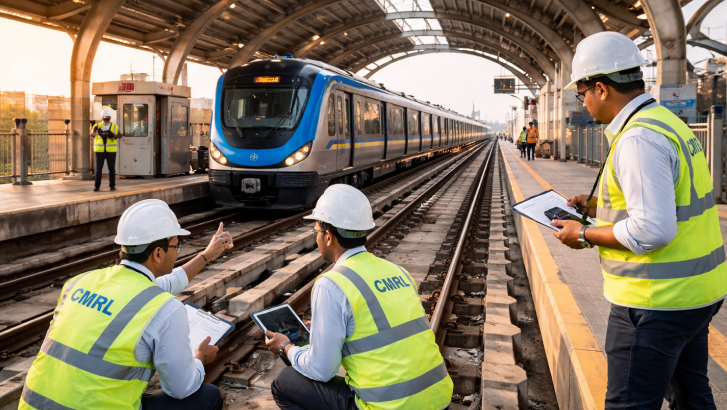
During the initial rollout, not all stations along the corridor will open simultaneously. Early operations are expected to begin with 11 out of the planned 17 stations, while remaining stations continue construction.
This phased opening allows authorities to start services earlier while finishing structural work and access points at other stations. As construction progresses, additional stations will gradually become operational.
Integration with Major Highways and Suburbs :
- The Vadapalani–Poonamallee corridor connects central Chennai with fast-growing western suburbs.
- It links major routes such as Poonamallee High Road, improving regional connectivity.
- The corridor provides access to highways leading toward Bengaluru and other industrial regions.
- It supports daily commuting between residential areas and employment hubs.
- Key zones benefiting from this connectivity include Porur, Ambattur, and Sriperumbudur.
Leave a Reply